Introduction
As more companies adopt Asana in Dubai to manage growing teams and client workloads, one pattern shows up again and again: the tool itself is rarely the problem. The problem is structure. Teams that set up Asana with a clear system from day one move faster, avoid duplicated work, and always know who owns what. Teams that don't end up drowning in scattered tasks and unclear ownership within a few months. This guide walks through how to structure Asana properly, based on how the platform is actually designed to be used and how implementation partners approach it in practice.
Start With a Project Brief, Not a Task List
A strong Asana setup begins before a single task is created. A project brief, a short document outlining the project's purpose, goals, and key stakeholders, gives everyone context before work starts. Skipping this step is one of the most common reasons teams end up with boards full of tasks that don't connect to a clear outcome. Businesses rolling out Asana in Dubai as part of a wider operations overhaul tend to see faster adoption when this brief exists before the workspace is built out.
Think in Layers: Teams, Projects, Sections
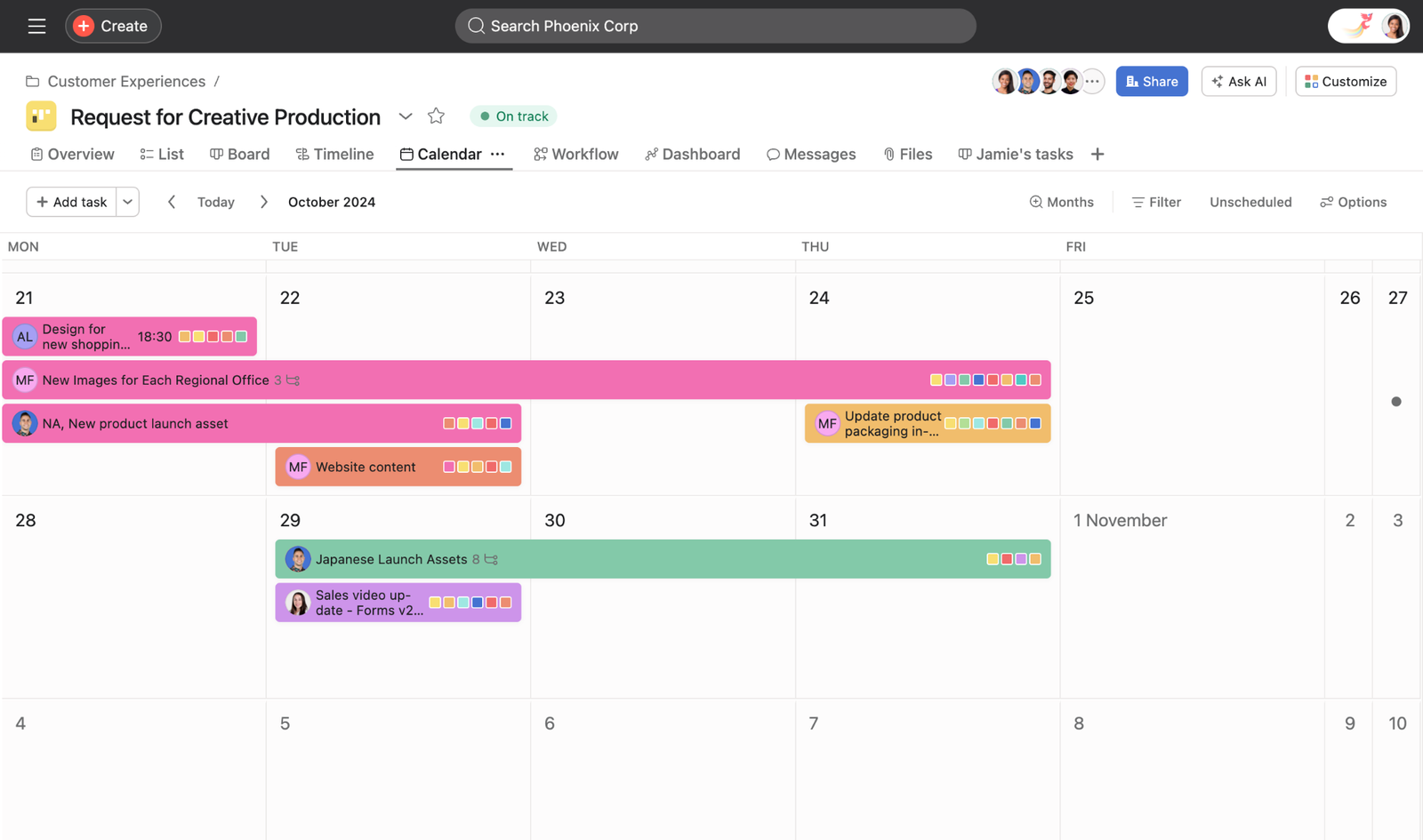
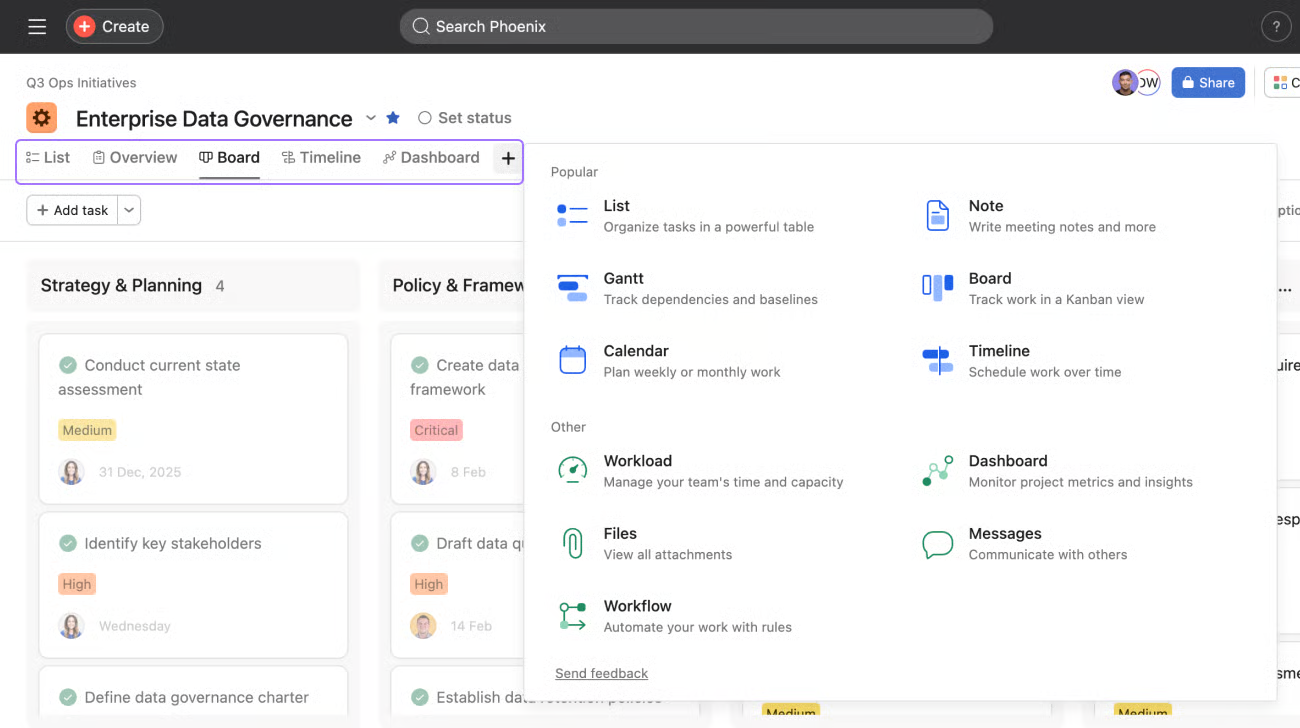
Asana is built around a layered structure. Teams typically represent departments or functional groups, projects represent specific initiatives or clients, and sections break each project into phases such as Planning, Execution, and Review. It helps to think of this as a pyramid: individual tasks build up into projects, which build up into team-level work, which ladders up to company objectives. When every task connects to that bigger picture, teams get the context they need without having to ask.
For agencies and consultancies offering Asana in Dubai as part of their service stack, this layered approach is what allows a single workspace to scale across dozens of clients without becoming unmanageable.
Use a Work Breakdown Structure
Rather than dropping tasks into a project ad hoc, break the work down properly. A work breakdown structure means defining tasks, milestones, and dependencies upfront, then mapping them to owners and realistic timelines. This makes large projects far easier to track, and it surfaces scheduling conflicts before they become deadline problems rather than after.
Keep Subtasks Shallow
One detail that gets overlooked often: subtasks should stay to one or two levels deep at most. Going four, five, or six levels down buries work and makes it nearly impossible to track progress at a glance. Keep the bulk of context in the parent task, and use subtasks for parallel or sequential pieces of work, not for endless breakdowns of a breakdown.
Standardize Custom Fields Before They Multiply
Custom fields, such as priority, status, department, or client name, give instant visual clarity without opening every task. The mistake most teams make is letting each project manager create their own version of a "Status" field with slightly different options. This fragments reporting and makes cross-project visibility difficult. Build a standard field library early and require teams to use it, rather than recreating fields project by project.
Use Multi-Homing for Cross-Team Work
A single task can live in more than one project at once through multi-homing, with updates and comments reflected everywhere it appears. This matters because work rarely belongs to just one team. A content deliverable might sit in both a marketing project and a client delivery project, and multi-homing keeps both teams looking at the same live task instead of two disconnected copies.
Automate the Repetitive Parts
Asana rules let you automate routine actions: when something happens, and certain conditions are true, then a specific action fires automatically. This removes the manual work of updating statuses, reassigning tasks, or sending notifications, which frees teams to focus on the work itself rather than admin around the work.
"A lot of teams over-engineer their custom fields in the first week and then never look at half of them again. Structure should follow how the team actually works, not the other way around."
Review the Structure Regularly
No workspace structure is right on the first attempt. A monthly or quarterly review, checking which fields are actually being used, which sections make sense, and where bottlenecks keep appearing, keeps the system aligned with how the team actually works rather than how it was originally planned.

Conclusion
Getting real value from Asana in Dubai isn't about turning on more features. It's about building a structure, teams, projects, sections, fields, and automations, that matches how your organization actually works, and then reviewing it as the organization grows. Companies that treat their Asana in Dubai setup as something to configure once and forget tend to hit the same wall: cluttered boards and unclear ownership within a few months. The ones that treat it as a living system are the ones that scale without the chaos.